Paceback started with my runner’s knee.
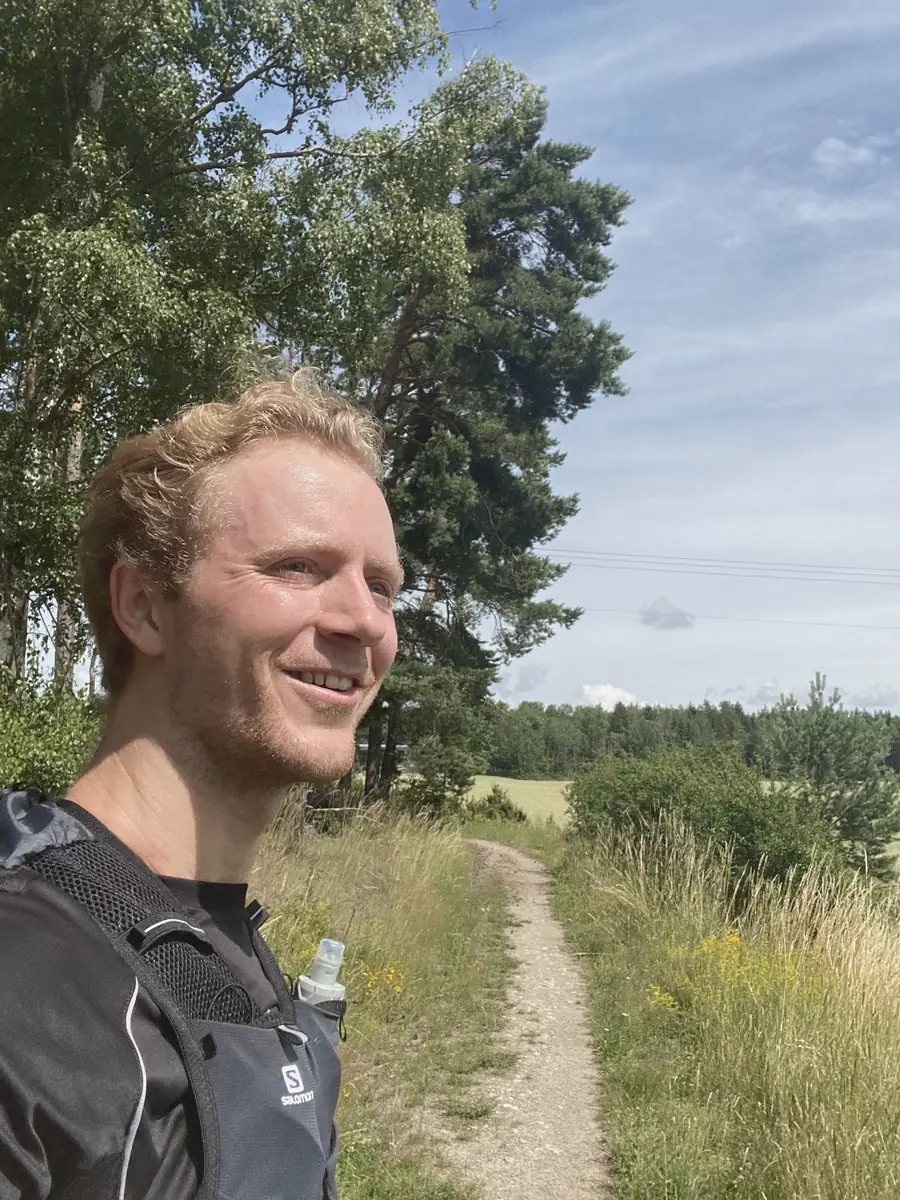
After too many races in one spring, I got runner’s knee. My physios were great and gave me clear advice. The hard part began when I left: remembering each exercise, how to do it, and where it fitted into the week.
Between appointments I was still guessing. Was this ache a normal response to load, or a reason to stop? Three weeks later, “How has it been?” was hard to answer.
So I built a simple tracker for the exercises, the schedule, the pain, and the running. It made the plan easier to follow and gave us a shared record at the next visit. Small rehab gains became visible too. That tracker became Paceback.
The rule behind Paceback
Your physio’s limits are a ceiling, not a preference. Paceback works below them, explains every suggested change, and says when it does not have enough information.
Where Paceback stops
Paceback does not diagnose an injury or clear you to run. It carries your physio’s plan into the weeks between appointments and gives the next visit a record of what happened.
Your comeback starts with today
Know what to do today, and where it’s taking you.
Paceback provides training guidance, not medical advice, and is not a medical device. Talk to a healthcare professional about medical concerns.